

Requirements for intralogistics systems in industry and trade are continuously increasing, while many existing installations are reaching their technical and economic limits. As a result, retrofit is increasingly being considered a cost-effective alternative to new builds, enabling companies to modernize and extend the lifecycle of existing systems.
The drivers behind this development include digitalization, rising cost pressure, labor shortages, and growing demands for speed, flexibility, and process reliability. Many legacy systems are still characterized by manual processes, fragmented structures, and outdated control technology, making it difficult to meet today’s operational requirements. However, a complete system replacement often involves significant capital expenditure and operational risk.
Technical Approach: Modernization in Brownfield Environments
The mechanical backbone of many intralogistics systems—such as structural steel, racking systems, and parts of the conveying equipment—is typically designed for long service life. In contrast, control systems, drive technology, and software are subject to much shorter innovation cycles.
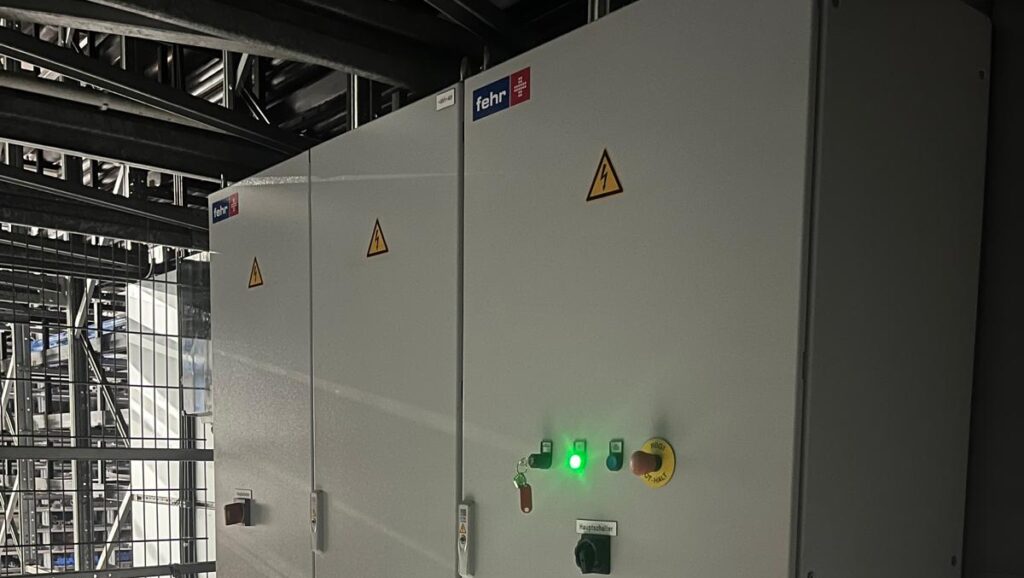
Retrofit projects therefore focus on upgrading these components. Replacing control systems, drives, and warehouse management or warehouse control software can significantly improve system performance, availability, and process stability. At the same time, the overall lifecycle of the installation can often be extended by many years.
Economic Perspective
Compared to greenfield projects, retrofit initiatives can offer substantial cost advantages, as existing infrastructure and building structures can largely be reused. This eliminates the need for extensive civil engineering and structural work.
In practice, investment costs for retrofit projects typically range between 30 and 50 percent of a comparable new installation, depending on scope. In addition, upgrading to current safety standards can have a positive impact on operational risk and insurance-related factors.
Automation and Process Integration
A key objective of many retrofit projects is to increase the level of automation. Automated processes within the system can reduce manual handling, improve consistency, and enhance overall process reliability.
Modern control and software systems enable optimized routing, reduced empty cycles, and more efficient use of system capacity. In many cases, intralogistics systems are more tightly integrated into upstream and downstream processes, such as production lines, machining centers, or ERP systems, resulting in seamless material flow across the value chain.
Capacity improvements can also be achieved through retrofit measures—for example, by upgrading load handling devices, optimizing storage strategies, or adding additional storage levels, provided that building conditions allow it.
Implementation During Ongoing Operations
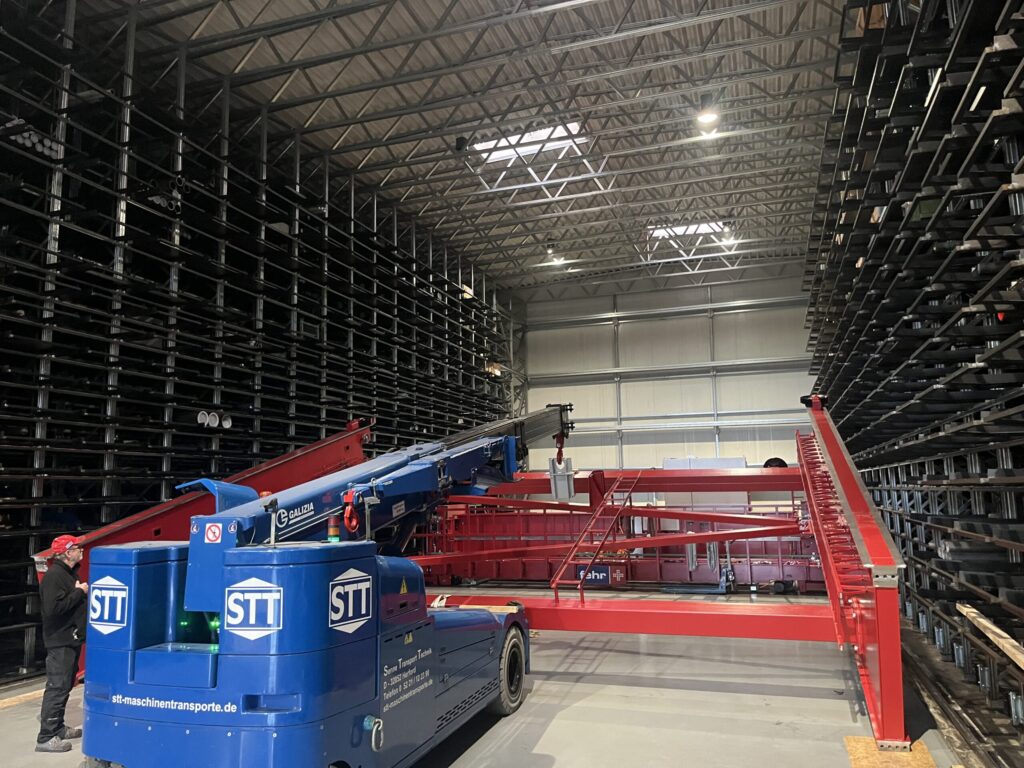
One of the key advantages of retrofit projects is the ability to implement upgrades in phases. Components such as controls, mechanical elements, and interfaces can often be modernized independently.
In practice, implementation is typically aligned with planned shutdowns or defined upgrade windows in order to minimize disruption to operations. The feasibility and duration of such measures depend heavily on the specific system layout and the quality of project planning.
Energy Efficiency as an Additional Lever
In addition to operational and economic benefits, energy efficiency is becoming increasingly important. By implementing modern drive systems, optimized motion profiles, and—depending on the application—energy recovery solutions, energy consumption and operating costs can be significantly reduced.
Retrofit can therefore also contribute to improving the overall energy footprint of existing intralogistics systems.
Cross-Vendor Modernization
In many industrial environments, intralogistics systems consist of equipment from multiple suppliers and different generations. Retrofit projects therefore often require a cross-vendor approach.
The goal is to integrate existing subsystems—including racking, conveying equipment, machinery, and IT interfaces—into a cohesive and efficiently operating overall system. This requires careful planning, interface management, and technical expertise.
Project Requirements and Planning
Retrofit projects are typically complex, both technically and organizationally. In addition to the actual modernization work, existing processes must be analyzed, interfaces defined, and implementation phases carefully coordinated.
Precise planning and execution are critical to keeping project timelines on track and minimizing downtime. Experience in managing such projects is therefore a key success factor.
Case Study: Full System Modernization Within Three Weeks
A recent project by Fehr Lagerlogistik AG at stürmsfs ag demonstrates how even extensive retrofit projects can be executed within a tight timeframe.
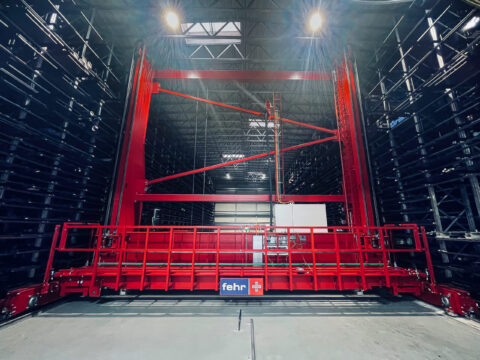
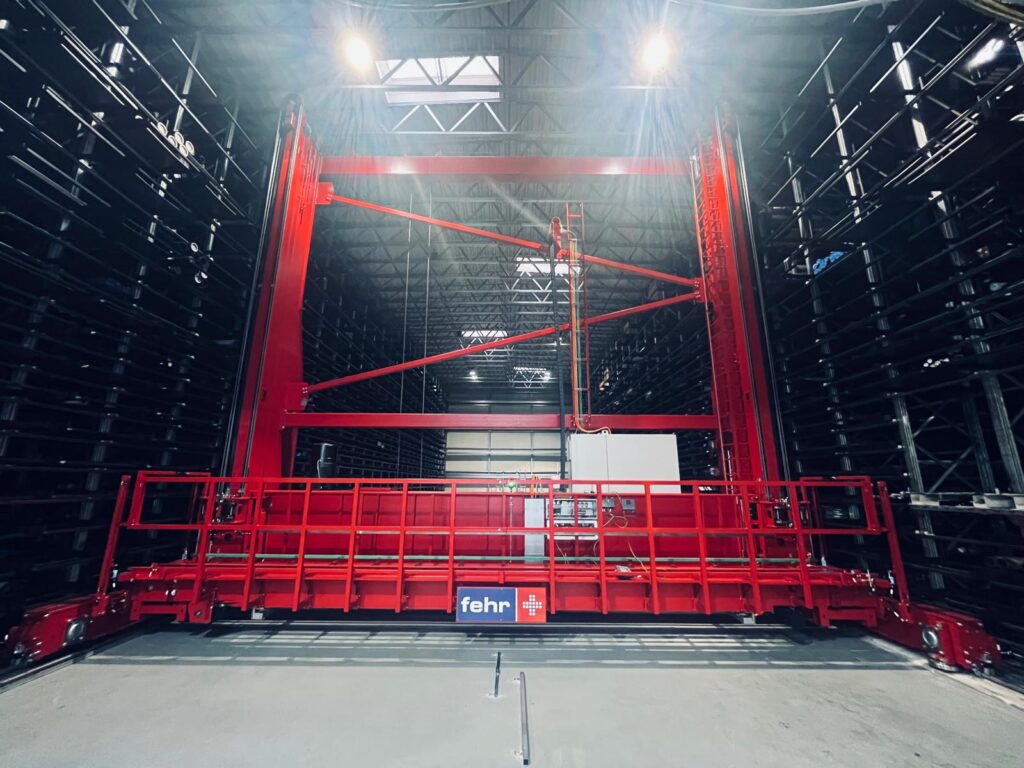
Within just three weeks, an existing intralogistics system was comprehensively modernized. Key components such as the control system, peripheral equipment, and process interfaces were upgraded and automated. The system handles bar stock with diameters ranging from 12 to 110 mm and weights of up to 450 kg, utilizes approximately 3,800 storage locations, and ensures continuous supply to downstream processes.
Thanks to detailed planning and execution during the holiday period, operations were able to continue with minimal disruption—an essential factor in many retrofit scenarios.
Domingo Messerli, Managing Director of stürmsfs ag, comments:
The fact that we were able to modernize the entire system within just three weeks over the Christmas period while keeping operations running almost continuously is an impressive achievement for us.
Domingo Messerli, Managing Director of stürmsfs AG
This example highlights both the potential and the complexity of retrofit projects, particularly when carried out under tight time constraints.

About Fehr Lagerlogistik AG
Fehr Lagerlogistik AG, headquartered in Switzerland, develops and implements intralogistics systems for industrial applications. Its portfolio ranges from the planning and realization of automated storage systems to the modernization of existing installations.
A particular focus lies on retrofit projects—covering both its own systems and those from other suppliers. The company combines expertise in mechanical engineering, control systems, and software, delivering projects with an emphasis on high system availability, minimal downtime, and long-term investment reliability.